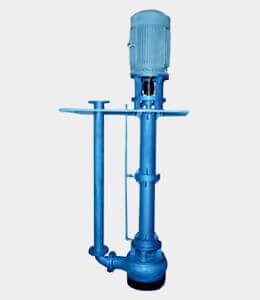
Key Features of Sump Pumps:
- Automatic Operation – Equipped with float switches or sensors that activate the pump when water reaches a certain level.
- Submersible or Pedestal Design – Available in two main types: submersible pumps (inside the pit) and pedestal pumps (motor above the pit).
- Durable Construction – Built with corrosion-resistant materials like cast iron, stainless steel, or thermoplastic.
- High Pumping Capacity – Moves large volumes of water quickly to prevent flooding.
- Check Valve Integration – Prevents backflow of water into the sump pit.
- Thermal Overload Protection – Protects the motor from overheating and damage.
- Compact Design – Fits easily into sump pits without taking up much space.
- Energy Efficiency – Runs only when needed, saving electricity.
- Low Maintenance – Simple design with minimal servicing required.
- Alarm System (Optional) – Alerts when water reaches high levels or if the pump fails.
Types of Sump Pumps:
- Submersible Sump Pumps: Installed inside the sump pit and operate underwater. Compact, quiet, and efficient. Suitable for frequent or heavy-duty use.
- Pedestal Sump Pumps: Motor sits above the sump pit, while the pump is at the bottom. Easier to maintain and repair. Less expensive but noisier.
- Battery Backup Sump Pumps: Provide protection during power outages. Usually work alongside a primary pump. Ideal for flood-prone areas.
- Water-Powered Sump Pumps: Operate using municipal water pressure instead of electricity. Reliable in power cuts but need good water pressure.
- Combination Sump Pumps: Include both a primary pump (submersible or pedestal) and a backup pump (battery or water-powered) for maximum reliability.
Applications of Sump Pumps:
Residential Applications:
- Basements and crawl spaces to prevent flooding.
- Removing accumulated groundwater near foundations.
- Protecting appliances, furniture, and electrical systems from water damage.
Commercial Applications:
- Office buildings, malls, and complexes to keep lower levels dry.
- Hotels and hospitals with underground parking or basements.
- Protecting storage areas and utility rooms from water accumulation.
Industrial Applications:
- Factories and plants where groundwater seepage can affect operations.
- Industrial basements and utility pits.
- Water management in warehouses and production floors.
Construction Sites:
- Dewatering foundations, trenches, and excavation sites.
- Managing stormwater or groundwater during building projects.
- Keeping work areas dry and safe for construction activities.
Municipal & Infrastructure:
- Subway systems, underpasses, and tunnels.
- Sewage and stormwater management in low-lying areas.
- Pumping stations for flood-prone zones.
Agricultural Applications:
- Drainage of irrigation water from low-lying fields.
- Preventing waterlogging in storage sheds or barns.
- Managing runoff in greenhouses or livestock areas.